
Rituals, not miracles.
The White Lotus finale, spiritual malaise, and the ritualization of the mundane.

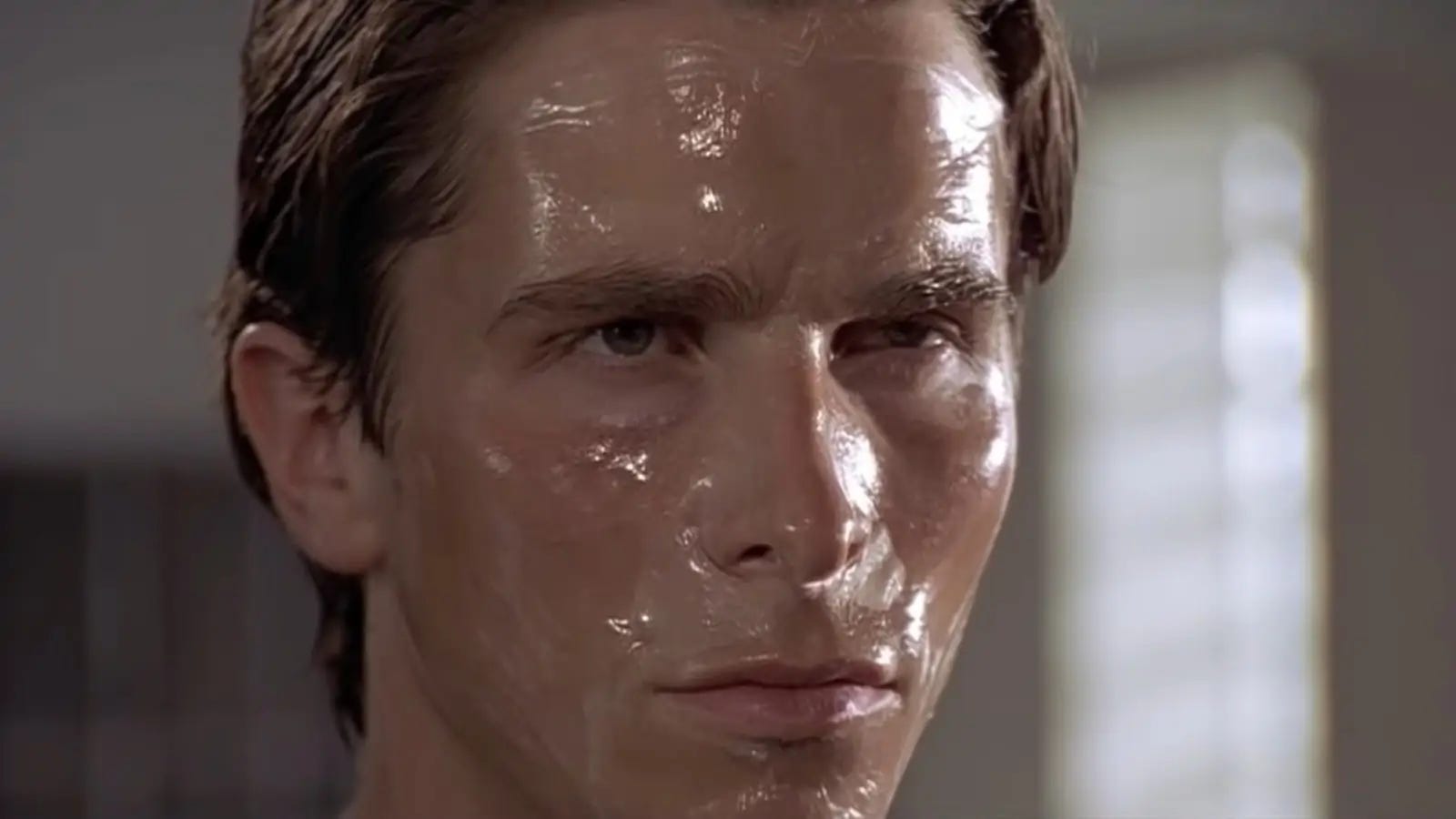
Do you believe in God?
Like everyone else, I also tuned in Sunday night for The White Lotus season 3 finale. I wasn’t shocked by the ending, but I was admittedly a little bit underwhelmed. I don’t think this season was as fun to watch week-to-week as season 2, but I do think it’s Mike White’s best season yet.
Carrie Coon delivered a heartbreakingly honest monologue that has (and probably will) stay with me for some time:
“I just feel like as you get older, you have to justify your life, you know? And your choices.
And… when I’m with you guys, it’s just so, like… like, transparent what my choices were, and my mistakes. I have no belief system. And I… Well, I mean I’ve had a lot of them, but… I mean, work was my religion for forever, but I defiantly lost my belief there. And then— And then I tried love, and that was just a painful religion, just made everything worse. And then, even for me, just, like, being a mother, that didn’t save me either. But I had this epiphany today. I don’t need religion or God to give my life meaning because time gives it meaning.”
This monologue is having its moment on the internet, and rightly so. I think it resonates with so many women who, frankly, feel like they did everything they were supposed to, and are stunned to find out that the career/marriage/kids/home didn’t give their lives any meaning.
Growing up Catholic, I had a love/hate relationship with Sundays. I hated waking up early and getting dressed for church, but I loved the big Sunday lunch that followed. As soon as I went to college, I stopped attending church. I didn’t notice an immediate difference in my life, not because I was decidedly agnostic and my attendance hinged on appeasing my parents, but because my religion had shifted. And no, my religion wasn’t the uppercase Christian God I had spent 18+ years learning about. My religion was pleasing my parents. It was being a dutiful daughter.
In the finale, Saxon tells Lochlan not to “worship him” anymore. Worship—and the idea that we are all devoted to something—is what made this season of The White Lotus so profound. The First Noble Truth of Buddhism teaches that suffering is an inherent part of the human condition, encompassing physical pain, emotional distress, and the impermanence of things1.
But Buddha never used the word “suffering”. His original teachings in Pali (now a dead language) use the word “dukkha”:
There is no word in English covering the same ground as Dukkha does in Pali. Our modern words are too specialised, too limited, and usually too strong. We are forced, therefore, in translation to use half synonyms, no one of which is exact. Dukkha is equally mental & physical. Pain is too predominantly physical, sorrow too exclusively mental, but in some connections they have to be used in default of any more exact rendering. Discomfort, suffering, ill, and trouble can occasionally be used in certain connections. Misery, distress, agony, affliction and woe are never right. They are all much too strong & are only mental.
The central theme of The White Lotus (and I remember having this thought when I first watched season 1) is the explicit irony in how we go on vacation to relieve ourselves from the stresses of work and home, only to find that it follows us there.
Mike White said this in a recent interview discussing the finale:
“This season, at least from how I was composing it, is using Buddhist ideas as the organizing principle, trying to think about identity as a cause of suffering. I think of identity as this way of thinking about yourself in these concrete, literal terms that then end up becoming a source of pain for you. It can be a source of pride, but it also becomes a source of pain.”
If you didn’t enjoy this season, I think that’s by design. If you were looking for a more satisfying ending, I think it’s because we look to fiction the same way the guests at The White Lotus seek an escape. It’s the pitfall of watching a show where the characters are so richly written and portrayed. We as the audience project our own suffering/dukkha/dissatisfaction onto the show and its characters.
When Laurie said, “I’m just happy to have a seat at the table”, I felt that. If someone were to ask how I identify spiritually, I wouldn’t be able to give a straight answer. My goal these days is to just not go insane, but I’m not ignorant to the maladies that keep me up at night. So I’ve started taking inventory of my rituals, or the repetitive episodes where I feel myself return, where I’m at my most present. For example: the moment I step out of my office after a long day, when I’m cooking a meal just for myself, the last set of my workout, and (most often) when I’m in my bathroom doing my skincare/haircare/makeup routine.
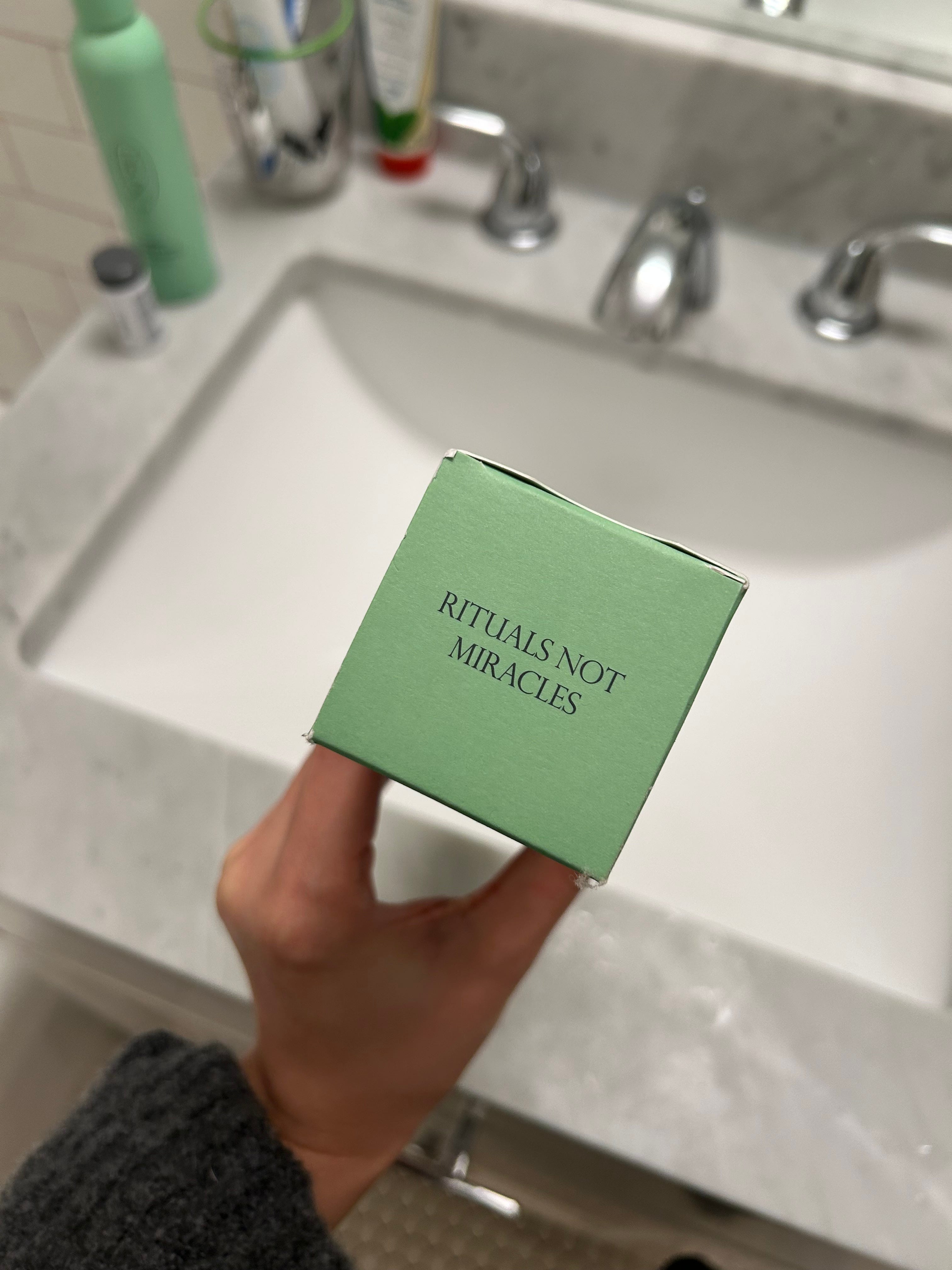
It’s no secret that I love skincare products. I work full-time as a product marketer in software/tech, so it’s nice to be an enthusiastic customer (or user) in another market. Upon my recent Sephora sale restock2, I noticed the slogan on my Dieux Baptism box (pictured above). First of all, great copy. Secondly…. yeah!
Over the weekend, I’ve also been inundated with Sephora-sale haul videos. This sort of bastardized micro-QVC marketing rides on the false promise of a “miracle in a bottle”, which I’ve fallen victim to no less than 500 times. I think that’s why it struck me. It’s a reminder that purchasing this product is not a miracle. It’s just one step of a greater ritual.
Skincare routines have become (basically are?) a defining part of our identities. I used to love going into friends’ bathrooms and peeking inside their vanities and showers. Now it feels like an algorithm check. The millennial experience is just a thousand, "What does (insert thing you purchased) say about you?” and starter pack memes. The Instagrammification of everything means that you are a brand and the brands you purchase/use by association tell the world (read: advertisers) everything they need to know.
When I wake up in the morning and begin my ritual, I’m assembling myself with the products I purchased based on the assumptions I’ve made about myself. A skincare routine is just a ritual of self-worship. And there’s nothing wrong with that. This is not that kind of post—or Substack for that matter, I literally wrote a piece called “How to Drink Champagne When You’re Sad”3—I actually encourage us to lean into the rituals that make us feel present, where we can invite our egos to have a seat at the table and actually try to understand our own “dukkha”, rather than deny its existence.
Quite literally summarized by Gemini (Google’s AI).
I posted what was in my cart in a new Substack chat thread, but no one responded :(
Featuring Jennifer Coolidge as Tanya MacQuoid as the header image.